
Coming Home to Hunger: Food Insecurity Among America's Veterans
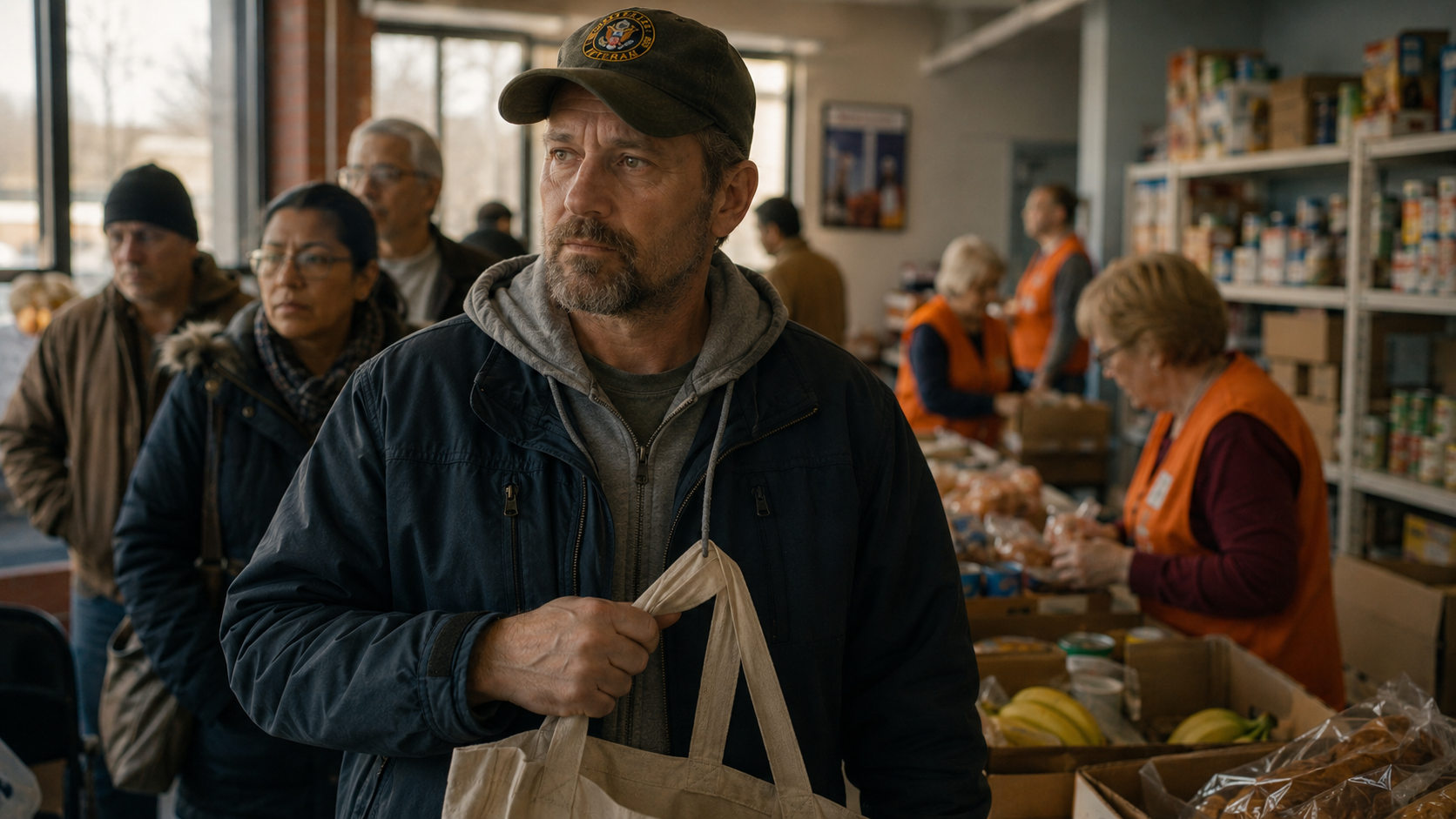
There is a painful irony in the reality that men and women who served their country, sometimes at tremendous personal cost, return home to face one of the most basic struggles any person can face: not knowing where their next meal will come from.
Veteran food insecurity is a real and underreported crisis. According to the U.S. Department of Veterans Affairs and research by organizations like the Food Research and Action Center, veterans face food insecurity at rates comparable to or higher than the general population; and in many communities they remain among the least visible people in line at a food pantry.
WHY ARE VETERANS AT RISK?
Veterans who transition out of military service often face an abrupt shift from a highly structured environment with predictable housing, meals, and income to a civilian landscape that can feel disorienting and difficult to navigate. Gaps in employment during this transition, combined with the challenges of translating military experience to civilian job markets, create financial vulnerability.
Many veterans also carry the weight of service related injuries or mental health conditions, including post traumatic stress, that can disrupt employment and social connection. Veterans who are older, who served in earlier eras, and who may not be connected to VA services are often the most isolated.
In Connecticut, veteran resources are available but not always accessible. Rural or suburban veterans without transportation face real barriers; knowing that a food pantry exists does not help if getting there is impossible.
THE NUMBERS
The USDA estimates that approximately 1.5 million veterans nationally have experienced food insecurity in a given year. Among post 9/11 veterans, rates are higher.
WHAT IS BEING DONE, AND HOW YOU CAN HELP
VA Foodcare initiatives and partnerships with food banks like CT Foodshare have expanded in recent years. Many food pantries now specifically recruit and welcome veterans, working to reduce the stigma and make services feel accessible.
At The White Oak Bridge, we believe that a community's character is shown in how it treats those who have given the most. Supporting hunger relief organizations means supporting veterans too.
Support our virtual food drive: https://donate.ctfoodshare.org/campaign/the-white-oak-bridge/c598051
#EndHunger #FoodSecurity #SupportEastHartford #CTFoodshare #VeteranHunger