
Farm to Fork: How Connecticut's Farms Are Fighting Hunger
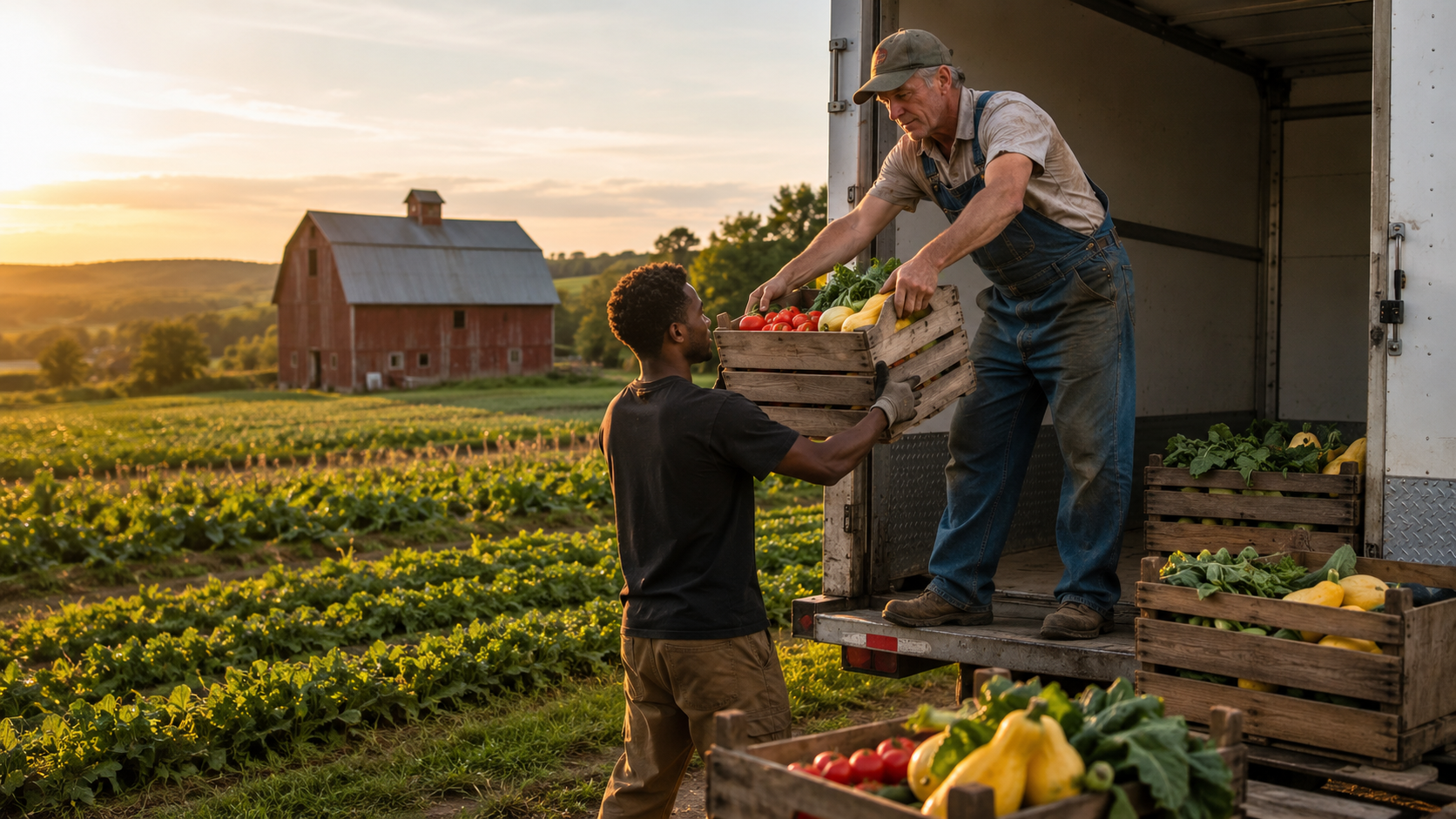
Connecticut is home to more than 5,500 farms, many of them small operations producing fruits, vegetables, dairy, and livestock for local markets. These farms are a source of economic vitality, community identity, and increasingly, hunger relief.
Programs that connect farms directly to food banks have expanded significantly, driven by growing awareness of the mutual benefits. Farms reduce food waste by donating surplus produce. Food banks gain access to fresh, nutritious food. And families in need receive fruits and vegetables that would otherwise never reach them.
HOW FARM TO FOOD BANK PROGRAMS WORK
The Connecticut Farm to Food Bank program connects participating farms with the CT Foodshare distribution network. Donated produce is picked up, processed, and distributed to pantries across the state, reaching families in communities like East Hartford within days of harvest.
The Local Food Purchase Assistance Program (LFPA), which provided federal funding for these partnerships, faced significant cuts in 2025. The loss of that program removed a critical financial mechanism that allowed food banks to purchase locally grown produce directly. The impact is being felt in reduced variety and freshness at many distribution sites.
WHAT YOU CAN DO
Shopping at local farmers markets, joining a CSA share, and choosing locally grown produce all support the farm economy that undergirds food donation networks.
Direct financial support to CT Foodshare through our virtual food drive allows the organization to purchase fresh produce to fill gaps left by reduced government funding.
Support our virtual food drive: https://donate.ctfoodshare.org/campaign/the-white-oak-bridge/c598051
#EndHunger #FoodSecurity #SupportEastHartford #CTFoodshare #LocalFarmsAndHunger