
The Rising Price of Dinner: How Inflation Is Pushing More Families Toward Food Insecurity
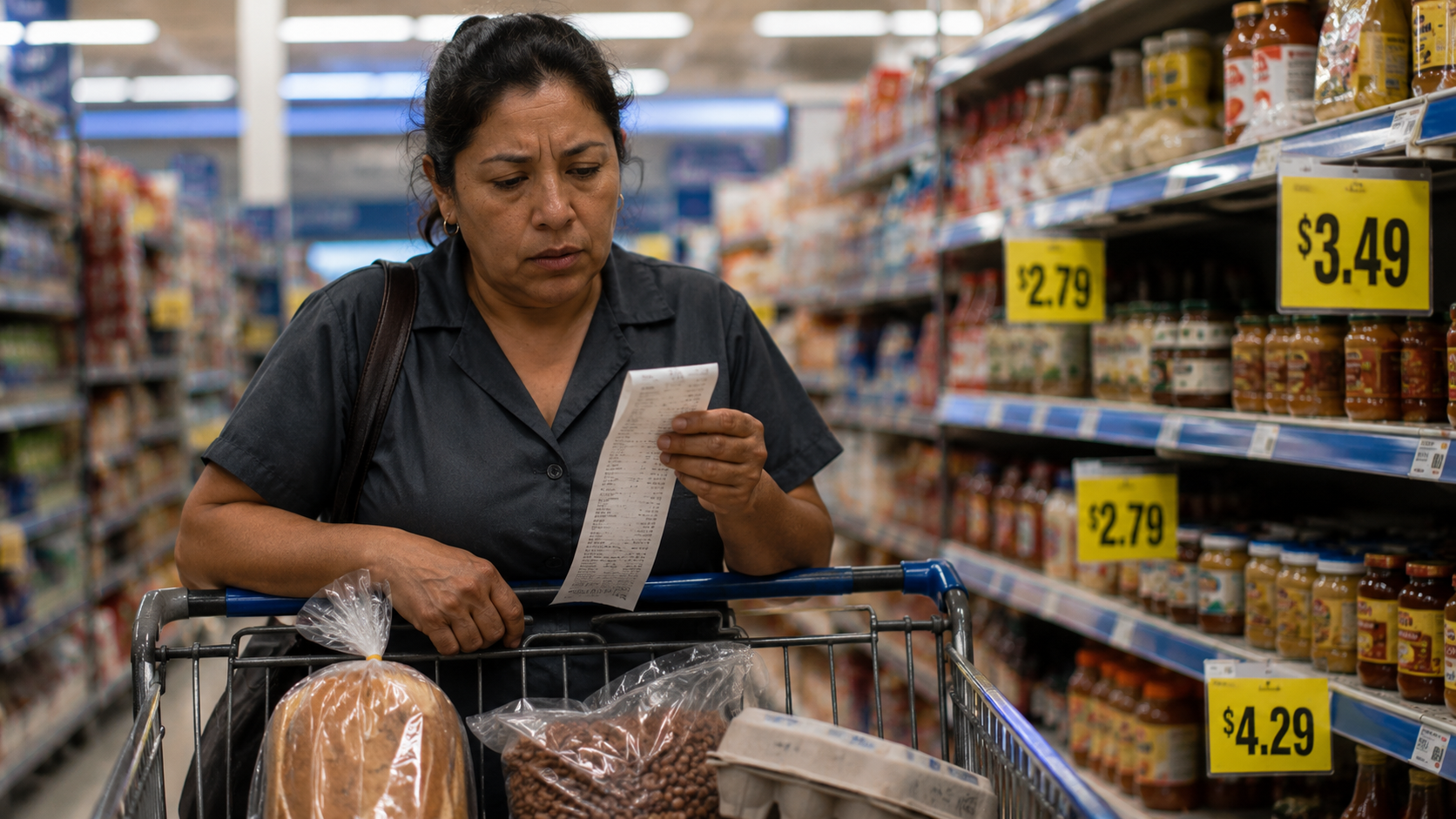
The grocery store has become a stressful place for millions of Americans. In recent years, the cost of a typical grocery run has climbed dramatically; eggs, bread, cooking oil, and fresh produce have all seen significant price increases. What was once a manageable weekly expense has become a source of anxiety for working families, seniors on fixed incomes, and households already living on the edge.
In Connecticut, where the cost of living is already among the highest in the nation, inflation has hit especially hard. East Hartford, where our community partner Connecticut Foodshare focuses many of its efforts, has seen rising food insecurity rates even as the broader economy shows signs of stabilization. The gap between what food costs and what families can afford is not closing quickly enough.
THE NUMBERS BEHIND THE PAIN
Since 2020, grocery prices nationally have increased by roughly 25%. For families spending $600 to $800 per month on food, that translates to an additional $150 to $200 monthly in added costs, with no corresponding increase in wages for many workers. In East Hartford, where median income sits around $64,244 and unemployment hovers near 6.7%, there is simply not always enough room in the budget to absorb these increases.
The impact is not just felt by households traditionally considered low income. Middle class families, small business owners, and even dual income households have reported cutting back on nutritious options in favor of cheaper, calorie dense foods. Over time, this shift from fresh vegetables and lean proteins toward processed and shelf stable items carries real health consequences.
WHEN INFLATION AND FOOD INSECURITY INTERSECT
Food banks and pantries are feeling the pressure on multiple fronts. Demand for services has increased dramatically while donation levels have plateaued or declined. Rising transportation and storage costs have added operational strain to organizations like CT Foodshare.
The federal funding cuts that took effect in early 2025 made this situation worse. Programs like the Local Food Purchase Assistance Program, which invested directly in Connecticut's agricultural sector to supply local food banks with fresh produce, were eliminated or significantly reduced.
WHAT RESILIENT COMMUNITIES ARE DOING
Despite these pressures, Connecticut communities are responding with creativity and determination. Community gardens are expanding. Mutual aid networks are filling gaps. Employers and small businesses are partnering with food banks to host drives and match donations.
This holiday season is a particularly important time to give. Our virtual food drive is live and every contribution goes directly to CT Foodshare's mission of ending hunger in communities like East Hartford. No amount is too small. A $25 donation provides up to 50 meals.
Support our virtual food drive: https://donate.ctfoodshare.org/campaign/the-white-oak-bridge/c598051
#EndHunger #FoodSecurity #SupportEastHartford #CTFoodshare #Inflation